
How APS helped my client keep inherited ISA savings
Managing finances after bereavement can be daunting, but the right support makes all the difference. Lisa Smith, Personal Wealth Adviser, explains how the Additional Permitted Subscription (APS) allows a surviving spouse to retain the tax advantages of inherited ISA savings while keeping flexibility for their future needs. This real client story shows how APS works in practice and why careful support is essential to avoid missed opportunities.
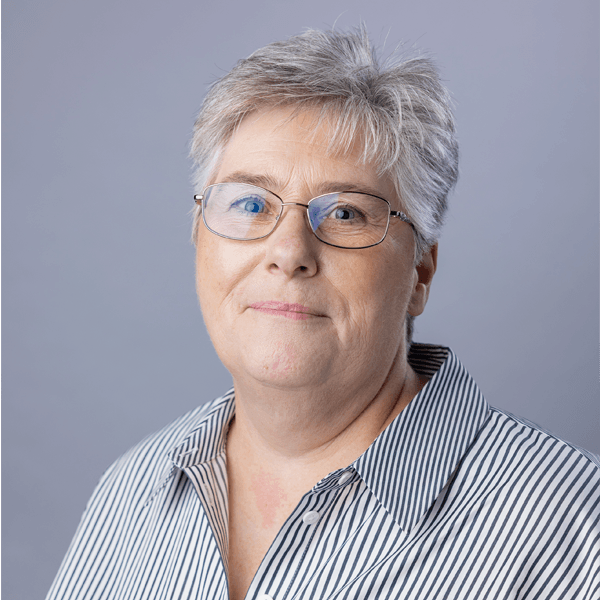
Supporting families through bereavement is one of the most sensitive parts of my role. When a client loses a loved one, finances are never the first thing on their mind, nor should they be. But when the time is right, helping them make good decisions could protect the wealth they’ve built together over a lifetime.
Last year I worked with a couple I had supported for many years. They were both in their late eighties, and over time they had built a substantial joint investment portfolio, eventually fully “ISA‑wrapped” for tax efficiency. Sadly, the wife passed away in 2024.
What happened next is a good example of how powerful the Additional Permitted Subscription (APS) can be for spouses and civil partners and why it’s so important not to miss out on it.
What APS meant for my client
Before APS existed, widows and widowers lost the ISA wrapper on inherited savings. Even if their partner had spent years carefully building tax‑efficient investments, the surviving spouse had to move the money out therefore losing all the associated tax benefits.
APS changed that.
When my client’s wife passed away, he became entitled to an Additional Permitted Subscription on top of his own annual ISA allowance. The APS equals the higher of the ISA’s value at the date of death or its value when the account stops being a “continuing account of a deceased investor” (for example, when the estate is completed or the account is closed). This is how, in many cases, the surviving spouse can keep the full value of the late spouse’s ISA within an ISA wrapper.
For my client this meant:
1. No loss of tax efficiency
Instead of losing the tax benefits of his wife’s ISA, he received an APS allowance, which let him add an amount equal to the value of her ISA into his own ISA on top of his usual annual limit. This means the money can stay invested within an ISA wrapper, where any future interest, dividends or investment growth continues to be protected from tax. Something that wouldn’t be the case if the funds were simply held as cash outside an ISA.
2. Continued income tax protection
At his stage of life, the last thing my client needed was increased taxable income. Had he simply received the money into a current account, the interest alone could have pushed him into a higher tax bill. Keeping the funds inside the ISA prevented that.
3. Flexibility for future needs
For older clients, liquidity is always a consideration. In some cases, converting investments to a cash ISA can be appropriate. But in my client’s case, the portfolio had always been invested, and he didn’t need the cash immediately. We kept it invested with the option to convert to cash later if circumstances changed.
Helping clients navigate APS
APS is incredibly valuable, but I’ll be honest: the paperwork feel confusing. There may be multiple forms, strict rules, and a real risk of clients accidentally triggering the wrong process, especially if they receive documents in the post and try to complete them themselves, without understanding the options first.
I always say to clients “If you get any paperwork you’re unsure about — don’t fill it in. Call me first.”
For my client, I handled all the APS forms directly with him to avoid errors. I printed everything, completed it with him in person, and ensured each figure went in the right place. It sounds simple, but one incorrect box could delay the process or even jeopardise the ability to use the APS subscription correctly.
Two ISA pots - what happens next?
The APS is an allowance, not a separate type of ISA. Providers must be able to identify APS amounts separately from regular subscriptions, but the way this appears on your statements varies by ISA manager. Some will show APS as a distinct sub‑account or “pot”, while others will display it within your existing ISA with clear APS labelling. If you’re using APS with multiple providers, each may present it differently.
In my client’s case, he now holds:
- his original ISA
- the new APS ISA created using his wife’s allowance
It’s important to understand that APS preserves the tax advantages, but it doesn’t remove the assets from the estate. When my client eventually passes away, both ISAs will still count towards his estate for inheritance tax purposes and will go through probate.
Why APS matters, especially for older clients
Every APS case is different. Age, liquidity needs, spending patterns and income all play a role in determining the right outcome. But what never changes is the importance of preserving the tax efficiency a couple has built together.
For my client, inheriting his wife’s ISA allowance meant he could:
- keep the investments exactly as they were
- avoid unnecessary tax
- maintain flexibility for future care or expenses
- honour the way he and his wife had managed their money for decades
That’s the real value of APS.
Who can use an Additional Permitted Subscription (APS)?
- APS is available to surviving spouses or civil partners, provided they were living together when their partner died.
- The APS allowance must be used within the permitted timeframe: within three years of the date of death, or within 180 days of the estate’s administration being finalised, depending on which of these dates is later.
Important information
This article is for information purposes only. It is not intended as financial advice.
The scenario discussed is an example and what is right for each person will depend on individual circumstances.
Fees and charges apply.
Tax treatment depends on your individual circumstances and may be subject to change in the future.
The value of investments and the income from them can fall as well as rise and are not guaranteed.