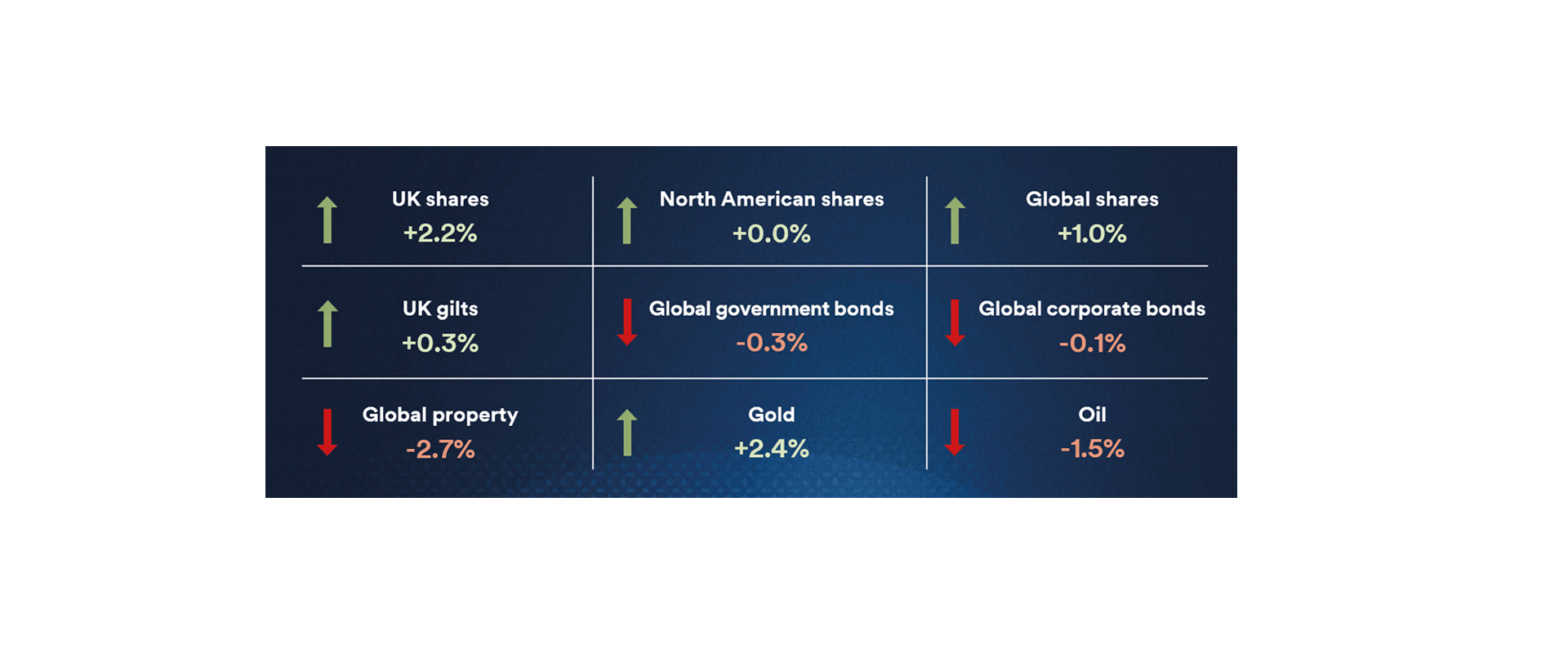
MarketWatch for August 2025
August was a month of cautious optimism. While central banks hinted at possible changes to interest rates, global events and sector trends created a mixed picture for investors. Here’s a straightforward summary of how different regions and asset classes performed—and what it could mean for your investments.
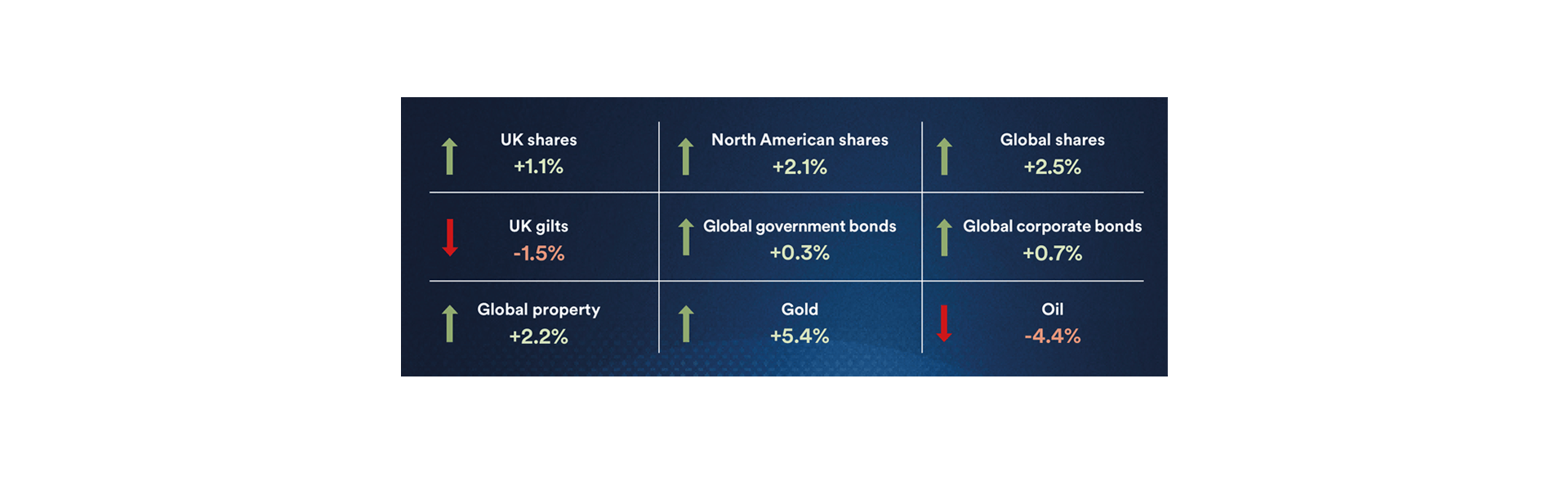
United States: Steady gains despite mixed news
US markets rose in August, helped by signs the Federal Reserve may cut interest rates soon. This helped calm worries about slower job growth and inflation.
- The S&P 500 went up, even though job creation figures were revised down and trade tensions continued.
- Materials and healthcare sectors did well, while tech fell after a report showed limited returns from early AI projects.
- Economic growth was stronger than expected, and inflation stayed at 2.7%.
- The Fed seems more concerned about overall economic weakness, which could lead to a rate cut in September.
Europe: Small gains, mixed sector results
European stocks rose slightly, but performance varied by sector.
- Energy and consumer goods did well, especially car makers after a trade deal with the US.
- Industrials and tech fell, partly due to progress in Ukraine peace talks.
- Political uncertainty in France affected markets, as the Prime Minister called a confidence vote over budget plans.
United Kingdom: Big companies lead the way
UK stocks rose, with larger companies doing better than mid-sized ones.
- Telecoms, materials and energy were the strongest sectors.
- Tech fell in line with global trends.
- The Bank of England cut interest rates to 4.0%, but inflation rose to 3.8%, making future cuts less likely.
Japan: Strong performance continues
Japanese stocks kept rising, supported by positive company results and improving investor confidence.
- The TOPIX rose 4.5%, and the Nikkei 225 gained 4.0%.
- Early concerns about US policy faded as hopes for rate cuts grew.
- Domestic companies showed solid growth, and demand for AI-related infrastructure helped tech stocks.
Emerging Markets: Latin America and China outperform
Emerging markets did well, helped by a weaker US dollar and regional strength.
- Latin America led gains, with Brazil, Chile, Colombia and Peru performing strongly.
- Brazil overcame concerns about US tariffs thanks to a strong currency and better inflation data.
- China benefited from a pause in trade tensions and supportive government policies.
- Taiwan, Korea and India lagged due to tech sector weakness and tax concerns.
Asia ex Japan: Singapore leads, tech struggles
Asian markets outside Japan saw mixed results.
- Singapore performed best, thanks to strong company earnings.
- China, Malaysia and Hong Kong also rose, supported by government policy.
- India, Taiwan and Korea fell behind due to weak tech performance and tax worries.
- Inflation in China was flat, showing continued economic softness.
Bonds
Bond markets were uneven as central banks responded to changing conditions. The Chair of the Federal Reserve, Jerome Powell, appeared to move towards the idea of earlier cuts highlighting an increased focus on weakness on the labour market side of its dual mandate, rather than on inflation. The shorter-dated end of the US Treasury market performed well in response, however bonds with longer maturities continued to be concerned around the fiscal spending levels implied by last month’s budget bill, as well as worries about the Fed's independence.
European government bond yields rose (meaning prices fell) steadily through August. Survey data indicated a continued recovery in manufacturing and other cyclical sectors. With inflation broadly stable, the European Central Bank’s view seems to be that the current interest rate policy is accommodative enough and that further cuts from here are not necessary.
Gilt yields rose too (Prices fell). The Bank of England cut rates to 4% but the voting in favour of the move was less clear-cut than observers expected, indicated that the Bank is likely to continue its gradual approach and that further cuts are not imminent. Inflation figures supported this stance by coming in slightly higher than expected, and positive signs of improving activity in the economy suggested that growth may be less stagnant than previously thought.
Japanese government bond yields also continued to sell off. Inflation is now well above the Bank of Japan’s ‘neutral’ level of 2%, with expectations continuing to rise. Wage growth has reached 2% for the first time since the early 1990s—an era when policy rates were higher.
Commodities: Energy falls, agriculture rises
- Gold continues to attract investors, driven by expectations of lower US interest rates and political pressure on the central bank.
- Other commodities saw mixed performance:
- Energy prices fell slightly.
- Coffee prices rose due to poor weather in Brazil and trade concerns.
- A global energy agency also lowered its forecast for 2025 demand.
What this means for you
August showed that markets can stay resilient even when the news is mixed. Central bank decisions, inflation trends and global developments continue to shape investment opportunities.